
Daylight Saving Time in Utah: The Pros and Cons of Longer Summer Nights
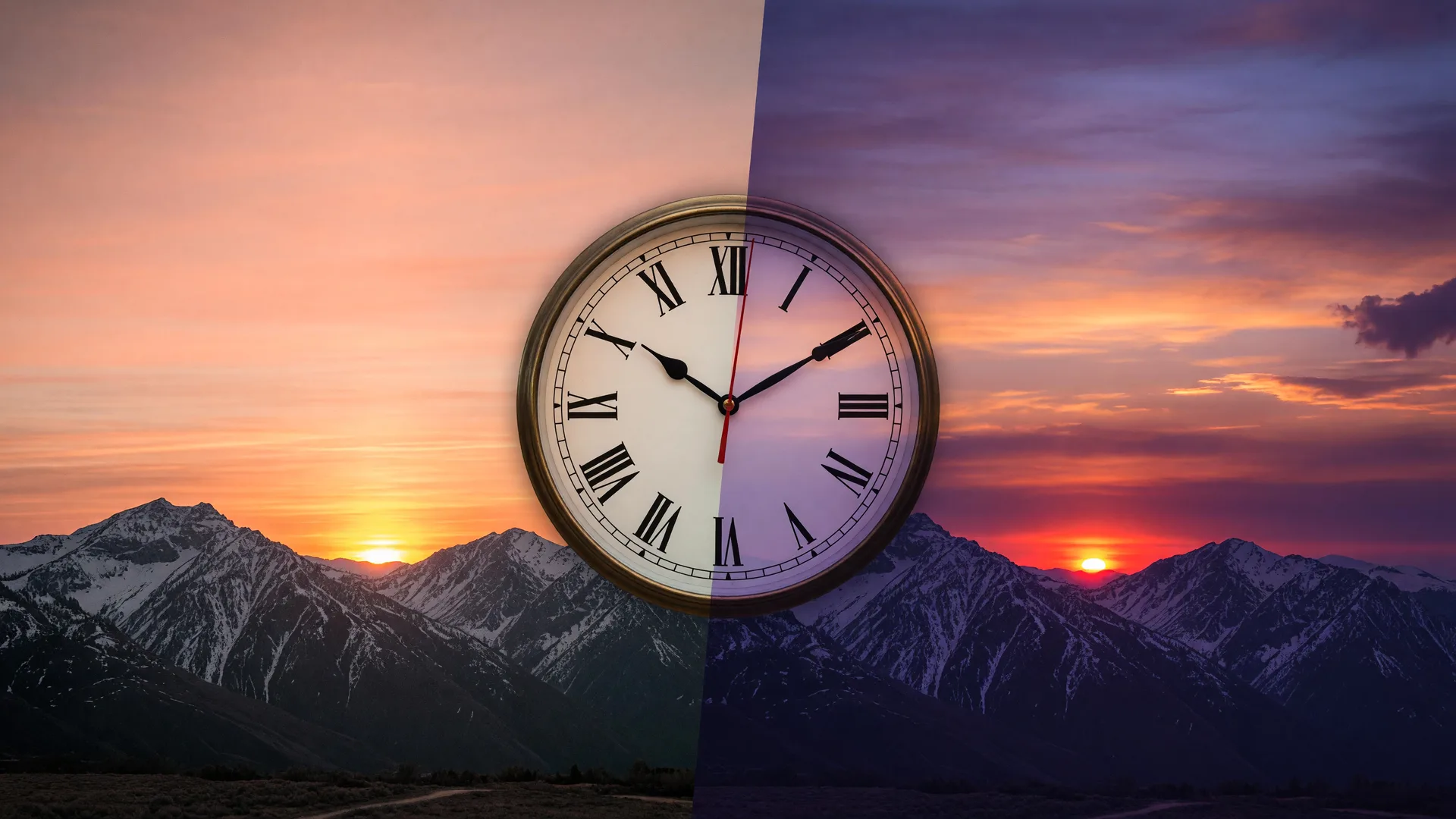
Every year, Utahns reset their clocks twice, gaining an hour of evening light in the spring and losing it again in the fall. Daylight saving time (DST) affects everything from after-work hikes and family dinners to school drop-offs and morning commutes. For residents of the Wasatch Front, where the mountains cast a dramatic shadow on the valleys and the outdoor lifestyle is a way of life, the time change is more than a minor inconvenience, it is a topic that inspires strong opinions. Here is a balanced look at what daylight saving time means for Utah, from the benefits of long summer evenings to the challenges of dark winter mornings, and where the state stands on the national push for permanent DST.
What Is Daylight Saving Time?
Daylight saving time is the practice of moving clocks forward by one hour during the warmer months so that the sun sets later in the evening. In the United States, DST begins on the second Sunday of March, when we "spring forward" and lose an hour of sleep, and ends on the first Sunday of November, when we "fall back" and regain that hour. The result: summer sunsets that stretch past 8:30 p.m. along the Wasatch Front, and winter sunrises that barely arrive before 8 a.m. in the depths of December.
Utah has been caught in the middle of the national debate over permanent DST for years. In 2020, the state passed a conditional trigger law that would make DST permanent if Congress changes federal law. More recently, the Utah House advanced HB120 in 2025, which proposed placing the state on permanent standard time as a temporary measure, but the bill did not pass the Senate. As of mid-2026, Utah still observes the traditional biannual clock change, though the Sunshine Protection Act, which would make DST permanent nationwide, passed the U.S. House of Representatives in July 2026 and now awaits Senate action.
The Pros: Why Utahns Love Longer Summer Evenings
More Daylight for Utah's Outdoor Lifestyle
Utah's mountains, trails, and lakes are the heart of its identity. When the sun sets past 8:30 p.m. during DST, residents have precious hours after work to hit the trails, paddle across Oquirrh Lake, ride the Corner Canyon single track, or enjoy a patio dinner in Draper or downtown Daybreak. The extended golden hour light, with the Wasatch Range glowing in warm tones, is some of the most beautiful light in the country, perfect for photographers and outdoor enthusiasts alike.
Better for Families and Neighborhoods
Longer daylight hours mean more time for families to enjoy parks, playgrounds, and neighborhood activities after school and work. Communities along the Wasatch Front, from South Jordan's community parks to Sandy's Dimple Dell trails, come alive in the late afternoon and evening during DST. Youth sports leagues, evening farmers markets, and outdoor concerts all benefit from the extra daylight.
Economic Benefits for Local Businesses
Extended daylight hours drive economic activity. Restaurants with outdoor patios see higher traffic, retail shops benefit from later foot traffic, and tourism-oriented businesses, from hotel stays to outdoor gear rentals, get a boost during the summer months. The busy summer event season, including the Sandy Amphitheater concert series, farmers markets, and festivals like the Lehi Round-Up and Draper Days, all stretch later into the evening under DST.
Mental Health and Energy Benefits
More exposure to sunlight, especially in the hours after work, is linked to improved mood, increased Vitamin D production, and better energy levels. For Utahns who spend their winters under gray inversion skies, the return of long, bright evenings in March and April can feel like a turning point for the better. The psychological boost of leaving work while the sun is still high is hard to overstate.
Unmatched Golden Hour Light Against the Mountains
Utah has a geographic advantage that few states can match. During DST, the extended evening light rakes across the Wasatch and Oquirrh mountain ranges, casting long shadows and painting the peaks in warm hues. That golden hour glow is a daily gift for photographers, hikers, and anyone who appreciates the natural beauty of the Wasatch Front. Communities like Alpine, Draper, and Sandy, nestled against the mountain base, experience this light in a way that feels almost designed for summer evenings.
The Cons: The Dark Side of the Time Change
Dark Winter Mornings
The most significant downside of DST is what happens during the winter months. When the clocks are set an hour ahead, the sun does not rise until around 8 a.m. in December and January along the Wasatch Front. For commuters heading to work in Salt Lake City, Lehi's Silicon Slopes, or Draper's tech corridor, that means starting the day in pitch darkness. School drop-offs, morning runs, and dog walks all happen before the sun is up.
Impact on Kids and School Schedules
Children are among the hardest hit by the time change. Waiting for the school bus in the dark, waking up to an alarm clock before sunrise, and disrupted sleep schedules during the transition weeks can leave kids groggy and irritable. Parents along the Wasatch Front often report that their children take days or even weeks to adjust to the new schedule after both the spring and fall changes.
Health Effects of the Transition
The twice-yearly time change disrupts the body's circadian rhythm, the internal clock that regulates sleep and wakefulness. Studies show that the Monday after the spring-forward transition sees a measurable increase in workplace injuries, heart attacks, and traffic accidents. The loss of even one hour of sleep can affect focus, mood, and cognitive performance for several days.
Productivity and Safety Concerns
The spring-forward transition is particularly tough on the workplace. Research shows that workplace injuries are about 5.7% higher and lost workdays are 67.6% greater on the Monday after the change, compared to typical workdays, largely because workers sleep about 40 minutes less on average. For Utah's growing tech and construction sectors, that productivity dip is a real cost. Pedestrian accidents also increase during the dark morning hours of late fall and winter, especially in suburban areas where sidewalks and crosswalks may not be well lit.
How Utah's Geography Affects the Experience
Utah's mountain geography creates a unique experience with DST. The Wasatch Front valleys are hemmed in by mountains to the east and west, so the sun rises later and sets earlier than it would in a flat landscape at the same latitude. Neighborhoods on the east bench of Sandy, Draper, and Alpine get more morning light than areas in the valley floor, where the mountains block the early sun. Higher elevation communities like Alpine and parts of Draper see the sun earlier than their valley counterparts, creating noticeable differences in the experience of the morning commute.
How Utahns Adapt to the Time Change
Adjusting Sleep Schedules Before the Change
Sleep experts recommend gradually shifting bedtime by 15 to 20 minutes each night for a few days before the spring-forward change. This helps the body adapt slowly rather than losing a full hour of sleep all at once. Exposure to natural light first thing in the morning, even on a cloudy day, helps reset the circadian rhythm more quickly.
Tips for Families with Young Children
Parents along the Wasatch Front find success by starting the adjustment a few days early: dimming the lights in the evening, keeping bedrooms dark, and maintaining a consistent morning routine. Blackout curtains are especially helpful during the summer months when the sun sets well past children's bedtimes. Some families also adjust meal times gradually to help kids' internal clocks shift.
Community Resources and School Adjustments
Many school districts along the Wasatch Front, including Canyons, Jordan, and Alpine districts, provide resources for parents about the time change. Some schools have adjusted start times in recent years to better align with adolescent sleep patterns, though the state's participation in DST means these adjustments are always a compromise. Local community centers, recreation departments, and after-school programs provide activities that help families make the most of the extended daylight hours during DST months.
The Bigger Picture: Where Utah Stands on Permanent DST
Utah's Role in the National Debate
Utah has been actively involved in the push to end the biannual time change. The state's 2020 conditional trigger law was among the earliest in the nation, signaling that Utahns are ready for a change. The Sunshine Protection Act, which would make DST permanent nationwide, crossed a major milestone in July 2026 when it passed the U.S. House of Representatives with a vote of 308 to 117. If the Senate passes the bill and the president signs it, Utah's 2020 law would automatically take effect, and the state would stop changing clocks.
What Utahns Actually Prefer
According to a 2022 Deseret News/Hinckley Institute of Politics poll, 71% of Utahns support ending the twice-yearly time change. Among those, 41% prefer permanent daylight saving time (year-round longer evenings), while 30% prefer permanent standard time (year-round brighter mornings). That divide mirrors the national debate: there is broad agreement that the system should change, but less consensus on which direction to go.
What Permanent DST Would Mean for Utah
Under permanent DST, Utah would enjoy summer-like evening light all year, but winter mornings would be even darker, with the sun not rising until after 9 a.m. in some valley locations. Under permanent standard time, Utah would have brighter winter mornings but lose the late evening light in summer, with the sun setting as early as 7:30 p.m. in June. The trade-off is a direct reflection of the pros and cons we have explored: it comes down to whether you value the morning or the evening more.
Want to explore more about life on the Wasatch Front?
Whether you are considering a move or just getting to know Utah's communities, our guides and resources are here to help.
Explore More Utah Living Content
Whether you love the longer summer nights or dread the dark winter mornings, Utah's lifestyle has something for every season.
Have questions about living in Utah? Reach out to Adam and Natalie Stark of Stark Group Real Estate.