
Utah's Greatest Snow on Earth: The Best Ski Resorts Near Salt Lake City
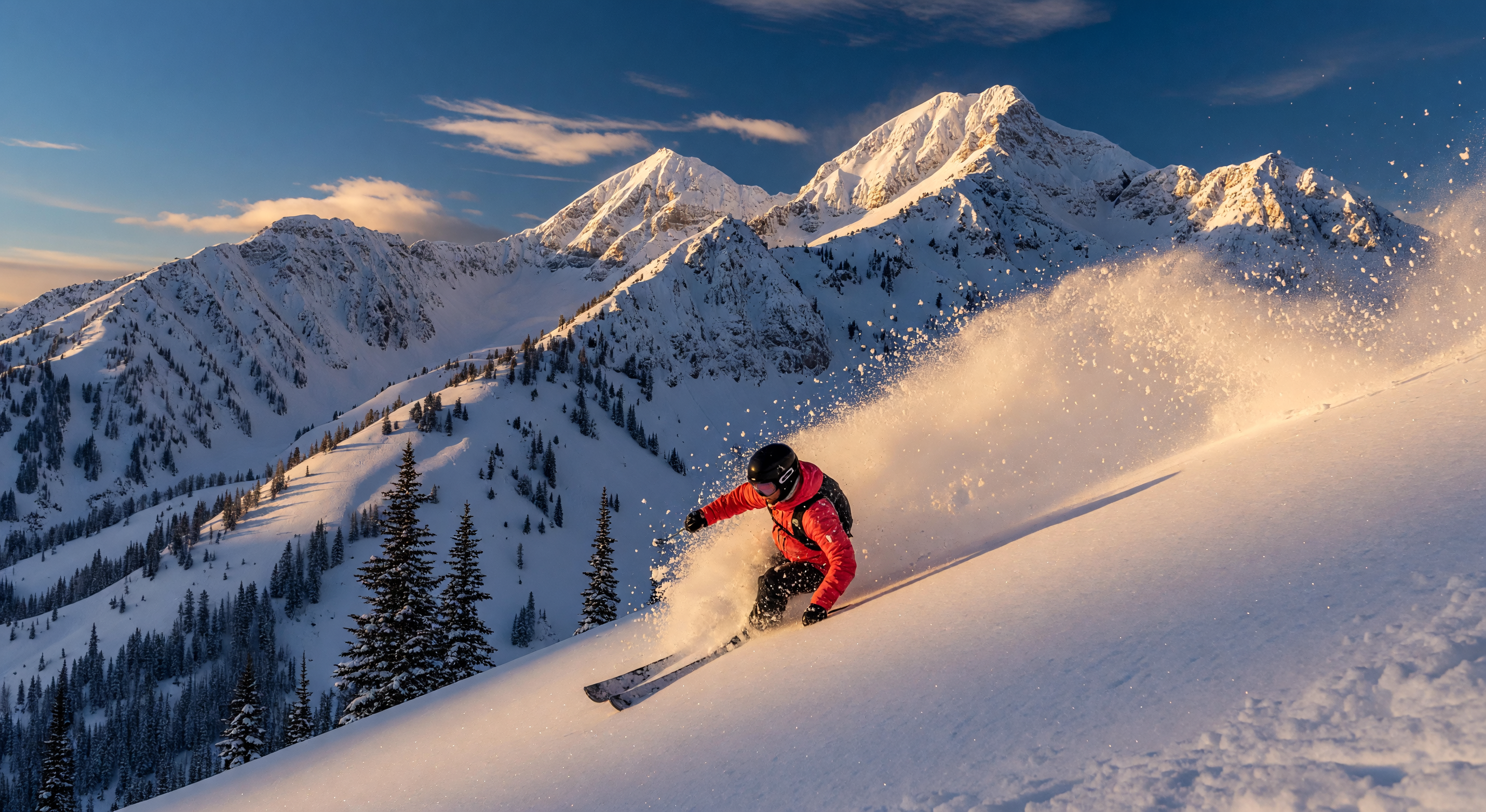
Utah earns the "Greatest Snow on Earth" title for a reason, and it is not just a marketing slogan. The state receives some of the lightest, driest powder in the world, with several resorts along the Wasatch Front tallying more than 500 inches of snowfall in a good season. The secret is geography: cold storms roll in from the Pacific, pick up moisture over the Great Salt Lake, and dump impossibly light snow on the mountains east of Salt Lake City. The result is a consistent, reliable snowpack that keeps skiers and riders coming back year after year.
For residents of Salt Lake and Utah Counties, the convenience factor is unmatched. Seven major ski resorts sit within an hour's drive of the valley floor, and the Cottonwood Canyon resorts (Alta, Snowbird, Brighton, and Solitude) are practically in the backyard of communities like Daybreak in South Jordan, Sandy, and Draper. Whether you are a lifelong local or someone considering a move to ski country along the Wasatch Front, this guide covers every resort worth knowing, what makes each one special, and how to get the most out of your ski days.
Why Utah Snow Is Different
The phrase "Greatest Snow on Earth" has been trademarked by the state of Utah, and the science backs it up. Cold continental air masses clash with Pacific moisture to produce snow with an exceptionally low water content. At resorts like Alta, the average snow density hovers around 8.5 percent water, which is significantly lighter than what you find at many Colorado or Northeast resorts. Skiers describe it as "champagne powder" or "cold smoke" because it billows around your legs with almost no resistance.
Alta has surpassed 500 inches of total snowfall in multiple recent seasons, and Snowbird is close behind. Even the lower-elevation resorts like Brighton regularly see 400 to 500 inches annually. The snow season typically kicks off in late November and can stretch well into April or even May at the higher-elevation resorts, giving Utah skiers a five-to-six-month window of dependable conditions.
The Cottonwood Canyon Resorts
The four resorts tucked into Little and Big Cottonwood Canyons are the closest major ski areas to Salt Lake County, and they are the crown jewels of Utah skiing. For anyone living in Daybreak, South Jordan, Sandy, Draper, or West Jordan, these resorts are a 30- to 40-minute drive on a good day, making after-work laps and spontaneous weekend powder days entirely realistic.
Alta Ski Area
The expert's mountain. Alta sits at the top of Little Cottonwood Canyon at 8,530 feet base elevation and is one of only three major ski areas in the United States that still does not allow snowboards. That policy keeps the terrain parks quieter and the focus squarely on the skiing. With 2,614 acres, 118 runs, and 2,538 feet of vertical drop, Alta rewards strong intermediate and advanced skiers with wide-open bowls, steep chutes, and perfectly spaced tree skiing in places like Catherine's Area and the Wildcat lifts.
What sets Alta apart is the combination of steep terrain and incredible snow quality. The canyon geography funnels storm systems directly into the mountain, and the snow stays light and cold even during warmer spells. Alta consistently ranks among the snowiest resorts in the country. The vibe is old-school and unpretentious: you come here to ski, not to see and be seen. The famous Alf's Restaurant at the base serves hot cocoa and chili that have been warming skiers for decades.
Drive time from South Jordan: approximately 35 minutes. Season: typically early December through mid-April.
Snowbird
The dramatic one. Snowbird sits just below Alta in the same canyon and shares a connected lift system, but it has its own distinct personality. With 2,500 acres, more than 85 runs, and an impressive 3,240 feet of vertical drop, Snowbird is steeper, more rugged, and more committed than most resorts in the country. The crown jewel is the Aerial Tram, which whisks you 2,900 vertical feet from the base to the 11,000-foot summit of Hidden Peak in about eight minutes. The views from the top stretch across the Salt Lake Valley and the Great Basin to the west, and the terrain options in every direction are extensive.
Snowbird is famous for its steep chutes, cliff bands, and expert-only terrain. The Peruvian Gulch and Mineral Basin areas offer some of the most challenging in-bounds skiing you will find anywhere. But Snowbird is not just for experts: the lower mountain and Baby Thunder area have solid green and blue runs, and the tram ride alone is worth the visit for sightseers. The resort also offers summer skiing on its upper glacier, typically running through Memorial Day.
Drive time from South Jordan: approximately 35 minutes. Season: typically late November through late April or later.
Brighton Resort
The family favorite. Brighton sits at the top of Big Cottonwood Canyon and has long been the go-to resort for families and intermediate skiers in the Salt Lake valley. With 1,050 acres, 67 runs, and 2,749 feet of vertical, it is smaller than its Little Cottonwood neighbors, but the terrain is well-balanced and the atmosphere is welcoming.
Brighton's biggest draw for families is its dedicated learning areas and night skiing. The resort offers night skiing on a significant portion of its terrain, which is a rare amenity in Utah and perfect for working parents who want to get a few laps in after the workday. The terrain parks are among the best in the state, with features designed for all ability levels. Brighton also draws a loyal crowd of backcountry skiers, as the terrain above the resort boundaries provides excellent access to Big Cottonwood Canyon's backcountry. The snow quality in Big Cottonwood is consistently excellent, and the resort is a little less crowded than the Little Cottonwood options.
Drive time from South Jordan: approximately 30 minutes. Season: typically early December through mid-April.
Solitude Mountain Resort
The hidden gem. Solitude lives up to its name. Tucked into the same canyon as Brighton in Big Cottonwood Canyon, it offers 1,200 acres, 82 runs, and 2,494 feet of vertical with consistently fewer crowds than any of the other Cottonwood resorts. If you value uncrowded lift lines and wide-open runs, Solitude is the pick.
The terrain at Solitude leans toward intermediate and advanced, with Honeycomb Canyon providing some of the best off-piste skiing in the area. The resort's base village has a quiet, European-influenced feel with several solid restaurants and a lodge that avoids the commercial atmosphere of bigger resorts. Solitude also offers cross-country skiing, snowshoeing, and fat-tire biking for those who want to diversify their winter activity. The interconnected lift system makes it easy to explore the full mountain, and the Canyon Resort Connector trail links Solitude to Brighton for those who want to make a day of both.
Drive time from South Jordan: approximately 35 minutes. Season: typically late November through mid-April.
Park City and the Wasatch Back
Drive east over the mountains and you reach the Park City area, home to two of the most well-known resorts in North America. The drive from the Salt Lake valley takes a little longer, but the rewards are significant.
Park City Mountain Resort
The giant. Park City Mountain Resort is the largest ski resort in the United States, sprawling across 7,300 acres with 348 trails and 3,200 feet of vertical drop. The sheer scale of the mountain is hard to comprehend until you ski it. You can spend an entire day exploring a different zone and never repeat a run. The terrain covers everything from gentle groomers on the Jupiter side to steep, technical tree skiing in the North Bowl and Scott's Bowl areas.
As a Vail Resorts property, Park City is included on the Epic Pass, which makes it a strong value for season pass holders. The resort connects to the historic Main Street district of Park City, which means you can ski in the morning and walk to lunch at one of the best restaurant rows in the state. The town itself is a former silver mining boomtown turned world-class resort destination, with galleries, shops, and a walkable downtown that adds a lot to the overall experience. For Utah County residents, Park City is about 50 minutes from Lehi and 60 minutes from Provo via I-80.
Drive time from South Jordan: approximately 40 to 45 minutes. Season: typically late November through mid-April.
Deer Valley Resort
The luxury experience. Deer Valley is the only skier-only resort in the Park City area, and it takes the experience to a level of refinement that is rare in the ski industry. With 4,300 acres, 103 runs, and 3,000 feet of vertical, the resort focuses on quality over quantity. The grooming is impeccable, the lift infrastructure is modern and efficient, and the on-mountain dining is a step above what you find at most resorts. Deer Valley limits the number of tickets sold each day, which keeps crowds manageable and the skiing pleasant.
Deer Valley is an Ikon Pass partner and also offers its own season pass options. The resort expanded significantly with the acquisition of the former Solitude-area terrain on the east side, adding the Mayflower Mountain development that is bringing new lodging, dining, and amenities. The terrain ranges from beautifully groomed cruisers to challenging steeps in the Empire Canyon area. If you are looking for a resort where the experience matters as much as the skiing, Deer Valley delivers.
Drive time from South Jordan: approximately 45 minutes. Season: typically early December through early to mid-April.
The Provo Canyon Option
Sundance Mountain Resort
The soulful one. Sundance sits at the base of Mount Timpanogos in Provo Canyon and offers a completely different vibe from the bigger resorts. With 450 acres, 42 runs, and 2,150 feet of vertical, it is the smallest resort on this list, but what it lacks in size it makes up for in character. Founded by Robert Redford, Sundance is built around the idea that skiing, art, and nature belong together. The mountain has a community-driven atmosphere with a focus on sustainability and authentic mountain culture.
Sundance is an excellent choice for families and intermediate skiers who want a relaxed day on the mountain without the price tag or crowds of a big resort. The terrain is approachable, the scenery is stunning (Timpanogos towers above the runs), and the base area includes a cinema, artisan shops, and the famous Foundry Grill restaurant. Night skiing is available on select evenings. For Utah County residents in Provo, Orem, Lehi, or Alpine, Sundance is the closest resort and makes for an easy afternoon or evening session.
Drive time from South Jordan: approximately 50 minutes. Drive time from Provo: approximately 20 minutes. Season: typically early December through early April.
Quick Comparison
| Resort | Acres | Vertical | From S. Jordan | Best For |
|---|---|---|---|---|
| Alta | 2,614 | 2,538 ft | ~35 min | Expert terrain, powder hounds |
| Snowbird | 2,500 | 3,240 ft | ~35 min | Steep terrain, Tram rides |
| Brighton | 1,050 | 2,749 ft | ~30 min | Families, night skiing, parks |
| Solitude | 1,200 | 2,494 ft | ~35 min | Uncrowded slopes, quiet vibe |
| Park City | 7,300 | 3,200 ft | ~40-45 min | Size, variety, town access |
| Deer Valley | 4,300 | 3,000 ft | ~45 min | Luxury grooming, skiers only |
| Sundance | 450 | 2,150 ft | ~50 min | Families, charm, affordability |
Tips for Getting the Most Out of a Ski Day
Beat the Traffic
Canyon traffic is the single biggest frustration for Salt Lake County skiers. Little Cottonwood Canyon in particular can back up significantly on powder days and weekend mornings. The Utah Department of Transportation runs a cottonwood canyon transit system with buses running from Park-and-Ride lots at the mouths of both canyons. Using the bus saves you from parking hassles and lets someone else handle the winding canyon road in snowy conditions. If you do drive, aim to arrive before 8:00 AM on peak days. For after-work sessions, heading up after 3:00 PM avoids the worst congestion and qualifies you for discounted twilight rates at most resorts.
Pick the Right Pass
Utah skiers have two main pass options: the Epic Pass (which covers Park City, and in past years offered access to other Vail properties) and the Ikon Pass (which covers Alta, Snowbird, Solitude, Deer Valley, and Brighton through various partner arrangements). If you plan to ski more than ten days in a season, either pass pays for itself quickly. If you ski fewer days, many resorts offer multi-day packs or afternoon-only tickets at reduced prices. Alta and Snowbird also offer combined lift tickets, which makes it easy to split a day between the two.
Dress for Elevation
Most Utah resorts sit between 8,000 and 11,000 feet elevation. The air is dry, the UV exposure is intense, and temperatures can swing 30 degrees between the shaded morning runs and the sunny afternoon. Bring layers, wear sunscreen (even on cloudy days), and carry lip balm with SPF. The dry air also means you will want to hydrate more aggressively than you might at a coastal resort.
Explore More Than One Resort
One of the best perks of living along the Wasatch Front is the ability to sample multiple resorts in a single season. Each one has a distinct personality. Try Alta for a powder day, Brighton for a family outing, Park City for a full day with lunch on Main Street, and Sundance for a quiet evening session. The proximity makes it easy to find the right mountain for the right day.
Spring Skiing and Summer at the Resorts
Spring skiing in Utah is one of the best-kept secrets in the mountain West. March and April often deliver some of the biggest storms of the season, and the longer days mean you can ski from first chair through early afternoon in warm sunshine. The snow softens into "corn snow" in the mornings, which many skiers prefer to deep powder for carving smooth, controlled turns. Several resorts offer spring break deals and reduced-rate lift tickets as the season winds down. Snowbird in particular is known for skiing into late April or even May, and it is not uncommon to be skiing in a T-shirt on a sunny spring afternoon.
Summer at the mountain resorts opens up a different set of experiences. Park City, Deer Valley, and Snowbird all operate scenic gondola or tram rides with access to high-elevation hiking and mountain biking trails. Deer Valley hosts world-class mountain biking events. Sundance offers zip-lining, horseback riding, and outdoor film screenings. The resorts transform from winter playgrounds into four-season mountain destinations, and they are a great way to stay connected to the mountains even when the snow has melted.
Living in Ski Country
For many people who move to the Salt Lake or Utah County area, easy access to skiing and mountain recreation is a major factor in their decision. Communities like Daybreak in South Jordan, Sandy, Draper, Herriman, and Riverton put you within a 30- to 40-minute drive of the Cottonwood Canyon resorts, and the Park City area is less than an hour away. Living close to the mountains means you can ski on a whim, hit a trail run after work, or spend a Saturday hiking without a full-day commitment.
If you are thinking about making the move to Utah and want a home that puts you close to world-class skiing, we would love to help. Adam and Natalie Stark of Stark Group Real Estate at Summit Sotheby's International Realty specialize in the communities along the Wasatch Front and can help you find a home that fits your lifestyle. Whether you are drawn to the master-planned amenities of Daybreak, the mountain foothills of Sandy and Draper, or the quiet streets of Alpine and Lehi, there is a neighborhood that puts you right where you want to be.
Explore our community guides to learn more about the areas along the Wasatch Front, or reach out to us directly to start a conversation about your real estate goals. Utah's mountains are calling, and they are a lot closer than you think.
Looking for homes near the Cottonwood Canyon resorts?
Browse available properties in South Jordan, Sandy, and Draper, all within 30 minutes of Alta, Snowbird, Brighton, and Solitude.
Search Homes in South JordanRelated Articles